

A pad is not a luxury.
Menstruation is not a choice.
So why is access to menstrual hygiene still treated as something women have to struggle to afford?
Around the world, governments have started recognising that period products are a basic necessity.
🇸🇨 Scotland became the first country in the world to make period products legally available free of charge to anyone who needs them through its Period Products (Free Provision) Act. (Scottish Government)
🇳🇿 New Zealand provides free period products through participating state and state-integrated schools, with the programme currently reaching an estimated 98% of menstruating students in those schools. (Education.govt.nz)
🇬🇧 England provides free period products through its government-funded scheme in state schools and eligible 16–19 education organisations, ensuring students can access products when they need them. (GOV.UK)
Other countries and regions have also introduced free or subsidised access through schools, public institutions and targeted programmes.
And India?
India does have a government menstrual-hygiene programme for adolescent girls, particularly in rural areas. But access is not a universal entitlement for every woman who menstruates. (Ministry of Health and Family Welfare)
And this is where I believe we need to ask a simple question:
If food, water, sanitation and basic healthcare are recognised as essential needs, why should menstrual hygiene be any different?
A woman cannot choose whether she menstruates.
She should not have to choose between buying food and buying sanitary products.
She should not miss school because she cannot afford a pad.
She should not miss work because she has run out of menstrual products.
And she certainly should not have to feel ashamed about asking for something her body naturally requires.
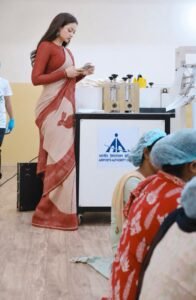
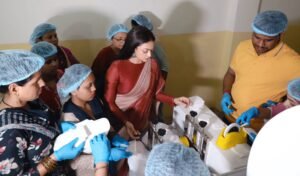
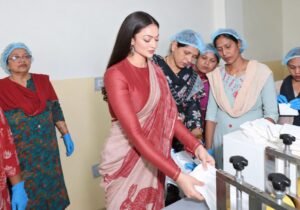
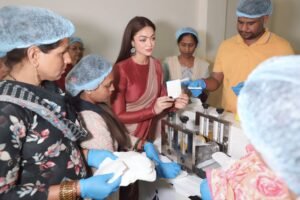
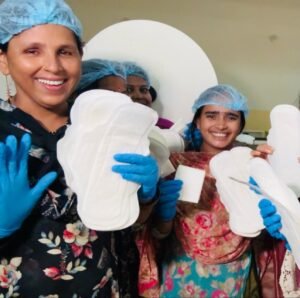
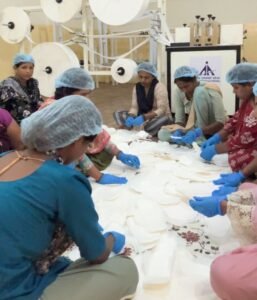
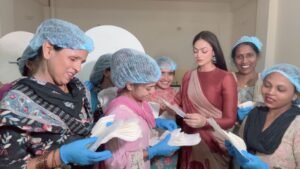
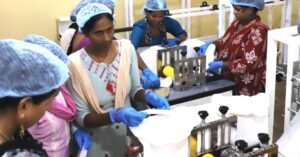
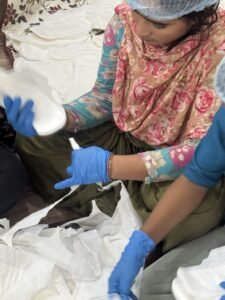
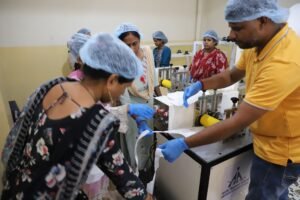
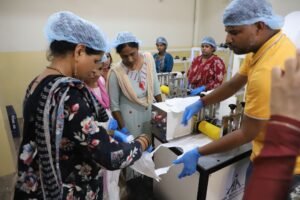
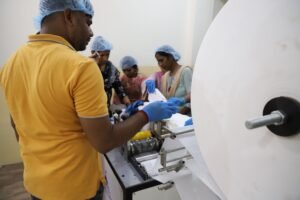
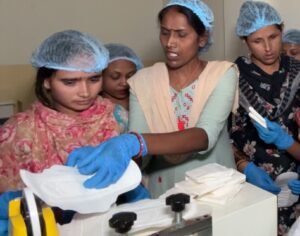
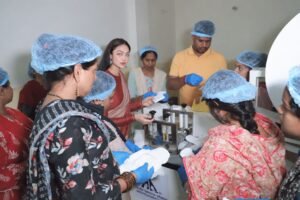
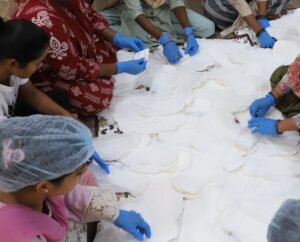
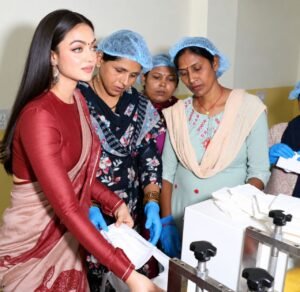
This is exactly why Basta Foundation’s Kamakhya Project – Cycle of Life focuses not only on distributing menstrual products, but also on creating local production, generating livelihoods for women, spreading menstrual-health awareness and making affordable sanitary pads accessible to underserved communities.
A heartfelt thank you to the Airports Authority of India (AAI) for collaborating with us on this meaningful initiative and supporting the Kamakhya Project – Cycle of Life.
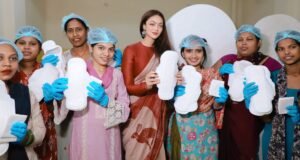
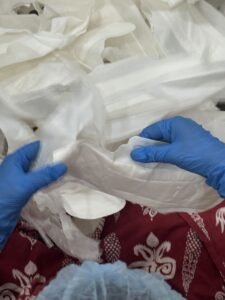
The women in these photographs are not simply receiving pads. These pads are distributed in slums of Delhi ncr
They are learning to make them.
They are creating livelihoods.
They are creating access for other women.
Because menstrual dignity should not depend on your income.
A period is a biological necessity.
Menstrual hygiene should be a basic necessity too.
Maybe it is time we stop asking:
“Can she afford a pad?”
And start asking:
“Why should she have to?”
